Kazakhstan won Olympiad silver. Back home, it felt different.
Alua Nurman says her unbeaten team was told there’s no state award for the medal, because the Chess Olympiad isn’t on Kazakhstan’s list of qualifying competitions.
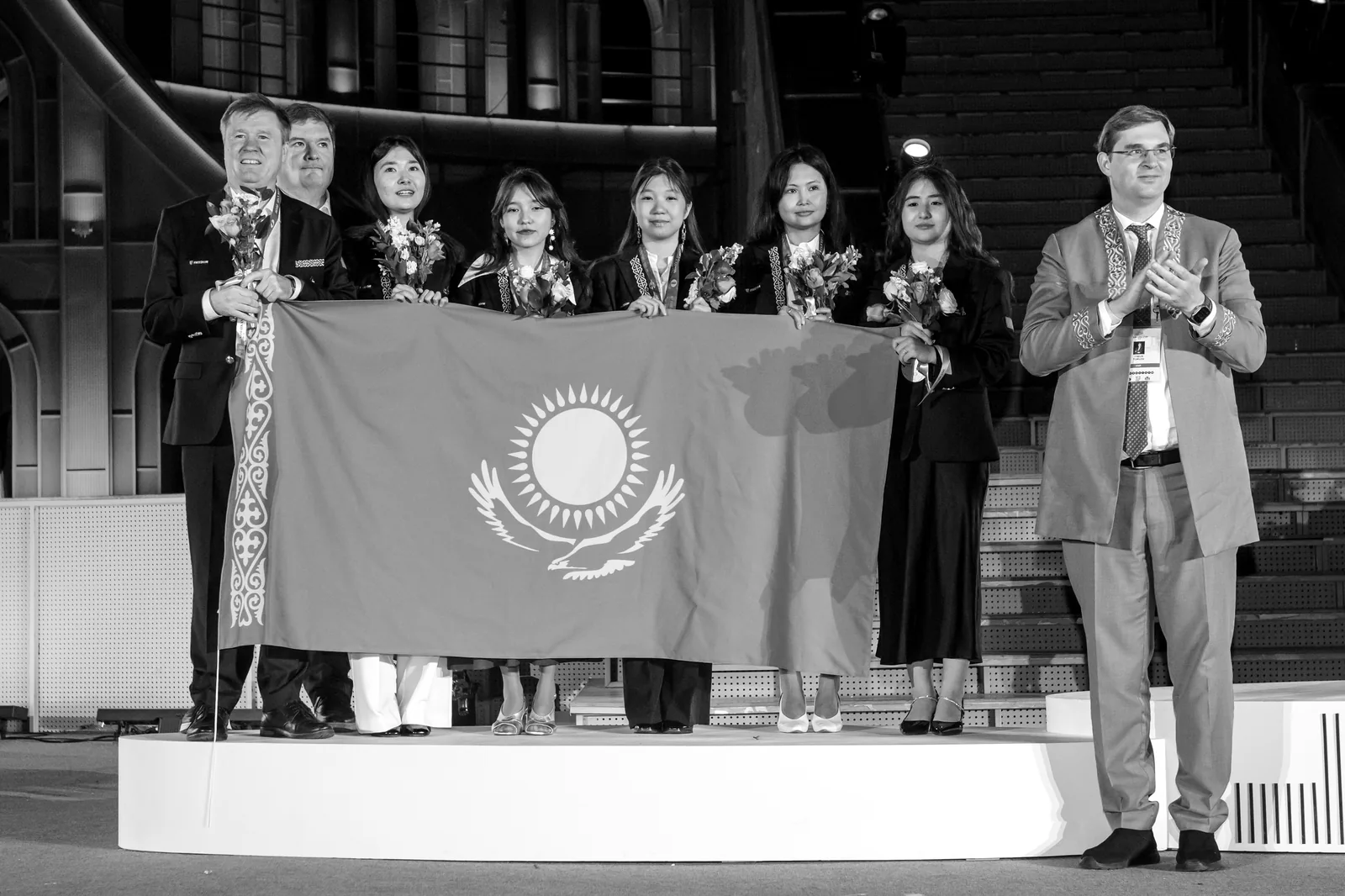
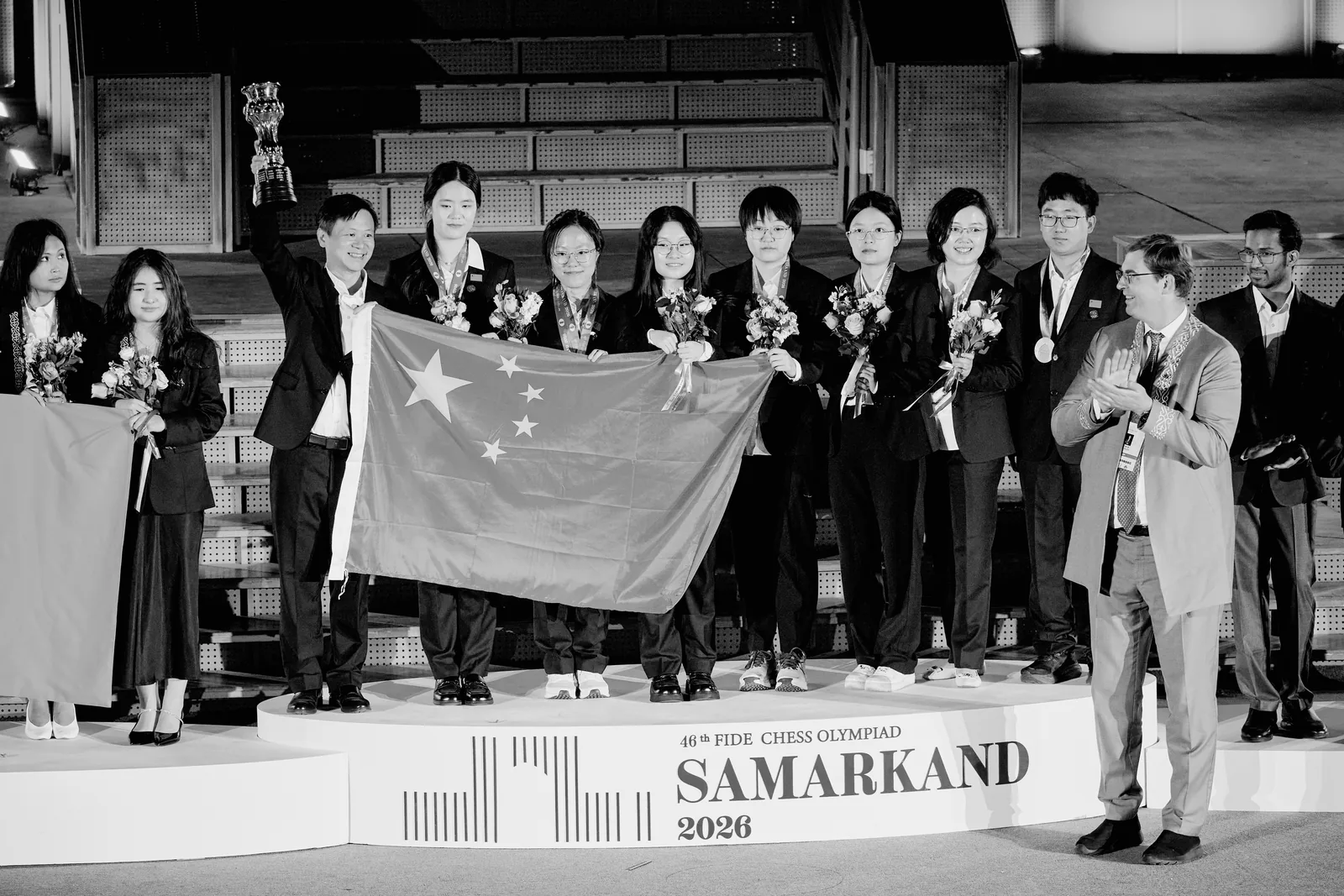
Kazakhstan’s women went through the 46th Chess Olympiad without losing a match. They drew with China, who won gold, and with India, who took bronze, and they came home with silver: the second Olympiad silver in the team’s history.
Back in Almaty, team member Alua Nurman says, the welcome was different.
In a post on Instagram, Nurman wrote that staff at Almaty’s Department of Physical Culture and Sport and at the city’s school of higher sporting excellence, known as ShVSM, told her there would be no state award for the medal. The result also won’t count toward the monthly payments the state makes to its athletes.
The reason she was given: the Chess Olympiad isn’t on the list of competitions whose results qualify for those payments.
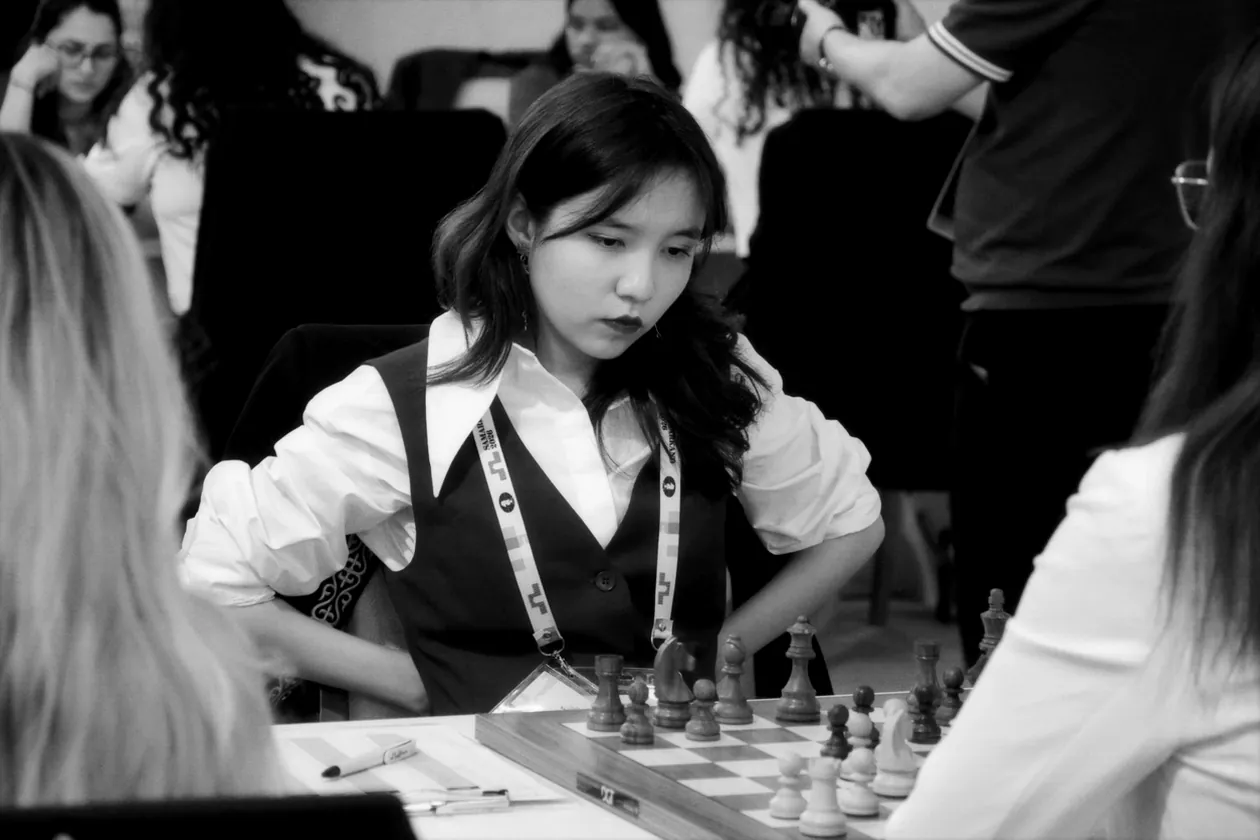
“Not just a medal”
For us, this is not just a medal.
Alua Nurman, on Instagram
Behind the silver, Nurman wrote, are years of preparation, daily work and thousands of hours of training, along with the effort, frayed nerves and worry that went into it. Above all, she wrote, it meant raising Kazakhstan’s blue flag again on the biggest stage in chess.
The team fought for gold from the first round to the last, she wrote, and showed once more that Kazakhstan belongs among the world’s leading chess nations.
A priority sport
That is what makes the decision hard to square. Chess is officially recognised as a priority sport in Kazakhstan. Nurman credited President Kassym-Jomart Tokayev for publicly backing its development. “The results of that work are clear today,” she wrote. “Our athletes consistently show high results on the world stage.”
Her questions are aimed at the people who run sport in the country:
Why did this happen? How did a tournament contested by the national teams of every chess country, and considered the most important team event in chess, end up outside the state list? And most importantly, how can this be fixed?
Alua Nurman, on Instagram
She addressed them to Kazakhstan’s Ministry of Tourism and Sports, to the minister, Yerbol Myrzabosynov, and to Almaty’s akim, Darkhan Satybaldy.
The man at both ends
The Olympiad itself pays no prize money. Whether medallists are rewarded is up to their federations and governments. India’s federation, for one, announced Rs 3.2 crore for its 2024 Olympiad winners.
Kazakhstan’s federation is led by Timur Turlov, the founder of Freedom Holding, which has put about $30 million into Kazakh chess over three years. Nurman’s post thanks him directly: his support, she wrote, is what lets Kazakh players prepare for and travel to major international events.
On September 26, in Samarkand, during this same Olympiad, Turlov was elected president of FIDE, beating Wadim Rosenstein 110–85. He campaigned on treating every member federation equally, and on a FIDE development fund of more than $6 million for tournaments, coaching and player travel.
That raises a question Nurman’s post doesn’t ask. If the state won’t reward this medal, should Turlov’s federation step in for its own players? Or is the fairer fix one that comes from FIDE, so that every Olympiad medallist is rewarded, wherever their government stands?
So who should pay? Turlov’s federation, or FIDE for every medallist?
Tell us what you think on Instagram, @thechessfile.
Nurman’s post was written in Kazakh. Quotes are The Chess File’s translation.